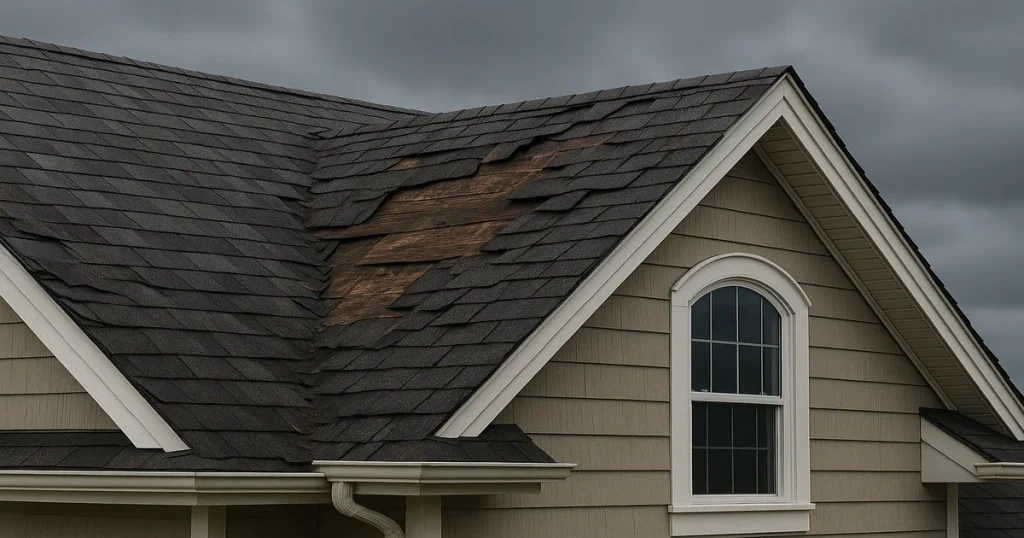
Understanding early roof damage indicators is essential for homeowners committed to protecting their investments. Signs such as curled shingles, dark streaks, and water stains can signal underlying issues. Recognizing these indicators not only aids in proactive maintenance but also enhances property value. However, many homeowners overlook these subtle clues. What steps should they take to guarantee their roofs remain in peak condition? The answer lies in a systematic approach to inspection and maintenance.
Key Takeaways
- Early roof damage indicators protect homeowner investments by preventing costly repairs and extending roof longevity.
- Recognizing signs like curled shingles and water stains fosters proactive maintenance and enhances overall home value.
- Regular inspections help identify issues early, allowing for targeted, less expensive repairs rather than extensive replacements.
- Awareness of roof health promotes community responsibility, encouraging neighbors to maintain their homes and protect property values.
- Consulting professionals for significant damage ensures compliance with safety regulations and proper evaluation, safeguarding long-term home integrity.
Understanding Early Roof Damage Indicators
Identifying early roof damage indicators is essential for homeowners aiming to protect their investment. Recognizing these signs can prevent costly repairs and guarantee the longevity of a home. Homeowners should familiarize themselves with the common early roof damage signs, such as missing shingles, granule loss, and discoloration. Additionally, homeowners must be vigilant about inspecting their roofs after severe weather events, as wind and hail can exacerbate existing issues. A well-maintained roof not only enhances curb appeal but also contributes to overall home value. By prioritizing awareness of these early roof damage signs, homeowners foster a proactive approach to maintenance, creating a sense of community and belonging among those who share the goal of safeguarding their homes together.
Common Signs of Early Roof Damage Indicators
Homeowners should be aware of several common signs that indicate early roof damage indicators. Curled or missing shingles are often among the first visible signs, suggesting that the protective layer may be compromised. Additionally, dark streaks or algae growth can indicate moisture retention, which may lead to further deterioration. Homeowners should also check for granule loss in gutters, as this can signify shingle wear. Interior signs, such as water stains on ceilings or walls, often point to leaks that originated on the roof. Finally, sagging areas in the roofline can indicate structural issues. Recognizing these early roof damage signs allows homeowners to take proactive measures, fostering a sense of security in their living environment.
Inspecting Your Roof for Damage
Regularly inspecting a roof is vital for maintaining its integrity and longevity. Homeowners should prioritize these inspections to identify early roof damage indicators before they escalate. A thorough examination involves checking for missing or damaged shingles, signs of wear around chimneys, and the presence of moss or algae. It’s also important to examine gutters for granules, which can indicate shingle deterioration. Observing the attic for water stains or mold can reveal hidden issues. Engaging in these proactive measures fosters a sense of community among homeowners, as it underscores the shared responsibility of protecting one’s home. Ultimately, a well-maintained roof not only enhances property value but also guarantees peace of mind for families residing within.
How Early Detection Can Reduce Roof Repair Costs
Detecting early roof damage signs can greatly lower repair costs down the line. Homeowners who regularly inspect their roofs for subtle signs of wear, such as curling shingles or small leaks, can address issues before they escalate into major problems. Noticing these indicators early allows for targeted repairs that are often less expensive than extensive replacements. Additionally, timely interventions can prolong the roof’s lifespan, ultimately saving homeowners money in the long run. By fostering a proactive approach to roof maintenance, homeowners not only protect their investment but also cultivate a sense of community among fellow homeowners who value their properties. Embracing early detection empowers individuals to take charge of their home’s health, ensuring safer, more secure living environments.
What to Do After Inspecting Your Roof: When to Call a Professional?
After identifying early roof damage indicators, the next step involves determining when it’s necessary to call in a professional. Homeowners should consider seeking expert help if they notice significant wear, such as widespread leaks, missing shingles, or extensive mold growth. Additionally, unusual sagging or water stains on ceilings often signal deeper issues requiring immediate attention.
If the damage extends beyond minor repairs, consulting a qualified roofer is crucial. Professionals bring expertise and tools that homeowners may lack, ensuring a thorough evaluation. Moreover, understanding local building codes and safety regulations is essential for compliance. By prioritizing these steps, homeowners not only protect their investment but also foster a sense of community by ensuring their homes remain safe and welcoming for all.
Frequently Asked Questions
How Often Should I Inspect My Roof for Damage?
Homeowners should inspect their roofs at least twice a year, ideally in spring and fall. Regular checks for early roof damage indicators can help prevent costly repairs and guarantee long-term protection for their homes.
Can Weather Conditions Affect Early Roof Damage Indicators?
Weather conditions greatly influence early roof damage indicators. Heavy rain, snow, or strong winds can exacerbate existing issues, making it essential for homeowners to regularly monitor their roofs to catch potential damage before it worsens.
Do All Roofs Show the Same Early Damage Signs?
Not all roofs display the same early roof damage indicators. Variations in materials, age, and local climate can impact the signs, making it essential for homeowners to understand their specific roofing system for effective maintenance.
Are There Any Preventative Measures to Avoid Roof Damage?
Preventative measures for avoiding roof damage include regular inspections, maintaining gutters, ensuring proper ventilation, and promptly addressing leaks. These practices help homeowners protect their investments and prolong the lifespan of their roofs, fostering peace of mind.
How Can I Maintain My Roof After Repairs?
After repairs, homeowners should regularly inspect their roofs, clean gutters, and remove debris. Scheduling professional evaluations guarantees early roof damage signs are addressed promptly, maintaining the roof’s integrity and extending its lifespan effectively.
Conclusion
In summary, recognizing early roof damage indicators is essential for smart homeowners seeking to protect their investment. By staying vigilant for signs such as curled shingles and dark streaks, they can address issues proactively, extending their roof’s lifespan and minimizing repair costs. Regular inspections and timely interventions not only safeguard financial interests but also promote community responsibility. Ultimately, a proactive approach to roof maintenance empowers homeowners to enhance their property’s value and guarantee lasting peace of mind.
May You Also like to Read: